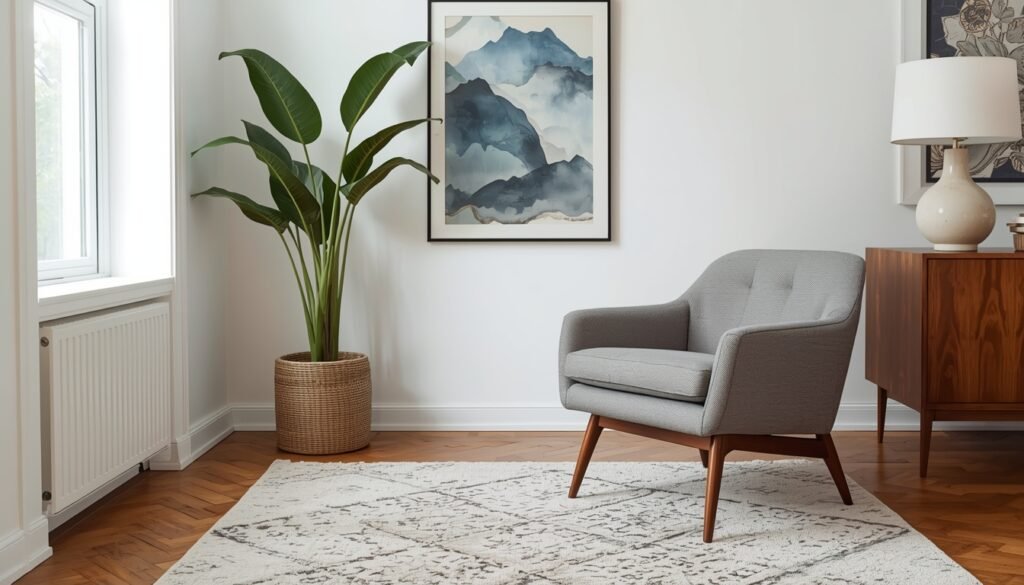

If you are looking for Budget Apartment Living Room Ideas. This video will be very useful for you. Designing a stylish living room in a small apartment doesn’t require a large budget. With the right approach, you can create a comfortable and modern space using simple and affordable decorating strategies. Smart choices such as multifunctional furniture, light-colored palettes, indoor plants, and minimal decor can instantly enhance the look and feel of your living room.
In this video, you’ll know about 50 Budget Apartment Living Room Ideas that are practical, Modern stylish, Luxurious Look and perfect for small spaces. Whether you live in a studio apartment or a compact rental, these ideas will help you design a beautiful living room while staying within your budget.
Why Decorating an Apartment Living Room on a Budget is Possible
The reason budget decorating works today better than ever before is the “democratization of design.” Ten or fifteen years ago, if you wanted a stylish velvet sofa or a mid-century modern coffee table, you had to go to a high-end showroom. Today, retailers and the secondhand market have made high-end aesthetics accessible to everyone.
Decorating on a budget is possible because:
- The Secondhand Economy is Booming: Apps like Facebook Marketplace and platforms like Poshmark Home allow you to find quality furniture for 70% off retail prices.
- DIY Culture: With video tutorials, anyone can learn to paint a table or sew a pillow cover.
- Smart Retailers: Stores like IKEA, Target, and Walmart now collaborate with real designers to create affordable lines that look expensive.
When you focus on budget apartment living room ideas, you aren’t settling for less. You are choosing to be more intentional with your purchases, which often leads to a more unique and curated home than one where everything was bought from a single showroom floor.
50 Budget Apartment Living Room Ideas
Let’s dive into the practical ways you can transform your space. Remember, you don’t have to do all of these at once. Pick three or four that resonate with your style and start there.
1. Pull Your Sofa Away from the Wall
It’s a common instinct to push all furniture against the perimeter to “save space,” but this actually makes a room feel static and boxed in.
Example: Creating just a three-inch gap between your sofa and the wall introduces shadows and depth. This small “breathing room” tricks the eye into thinking the walls are further back than they really are.
2. Use “Leggy” Furniture to Open the Floor
Bulky, skirted furniture acts like a visual roadblock that stops the eye. In small apartments, the more floor you can see, the larger the room feels.
Example: Instead of a boxy armchair, pick a Mid-Century style seat with slim wooden legs. Seeing the rug continue underneath the chair keeps the sightlines clear and the room feeling airy.
3. Define “Zones” with Large Area Rugs
In open-plan studios, the living area can easily feel like it’s drifting into the kitchen. A rug acts as an invisible boundary that “anchors” your furniture.
Example: Place a large 8×10 rug so that at least the front legs of your sofa and chairs sit on it. This creates a dedicated “island” for lounging that feels distinct from the rest of the apartment.
4. Introduce “Ghost” Furniture for Zero Visual Weight
Visual clutter is the fastest way to make a budget space feel messy. Transparent materials provide the function of a table without taking up any “visual real estate.”
Example: Use an acrylic coffee table or a glass-topped side table. Because you can see the rug through them, they provide a surface for your drinks without making the center of the room feel crowded.
5. Float an Open Bookshelf as a Room Divider
Solid dividers block light and make a studio feel like a series of closets. An open-back shelf provides storage while maintaining a sense of “oneness.”
Example: Position a tall, open shelving unit perpendicular to the wall between your bed and sofa. It hides the sleeping area while letting sunlight pass through, keeping the whole space bright.
6. Swap a Coffee Table for a Storage Ottoman
In a small space, every piece needs to work twice as hard. A hard table is just a surface, but an ottoman is a multitasker.
Example: Use a large fabric ottoman in the center of the room. Toss a wooden tray on top for your laptop, kick your feet up during a movie, or pop the lid to hide extra blankets when guests arrive.
7. Use “C-Tables” to Save Floor Space
Traditional end tables often take up a foot of floor space that you might not have. C-shaped tables are designed specifically for tight apartment layouts.
Example: Slide the base of a C-table under the side of your sofa. The surface sits right over the armrest or your lap, giving you a desk or snack spot without occupying any extra square footage.
8. Lean Into the “Corner Nook”
Corners are usually “dead zones” that collect dust. In 2026, designers prioritize turning these into tiny, functional “moments.”
Example: Place a small, round bistro table and one slender chair in a corner. It serves as a workspace by day and a romantic dining spot by night, maximizing every inch of the floor plan.
9. Go Vertical with a Leaning Ladder Shelf
Most apartments have wasted space high up on the walls. Vertical storage draws the eye upward, making standard ceilings feel much loftier.
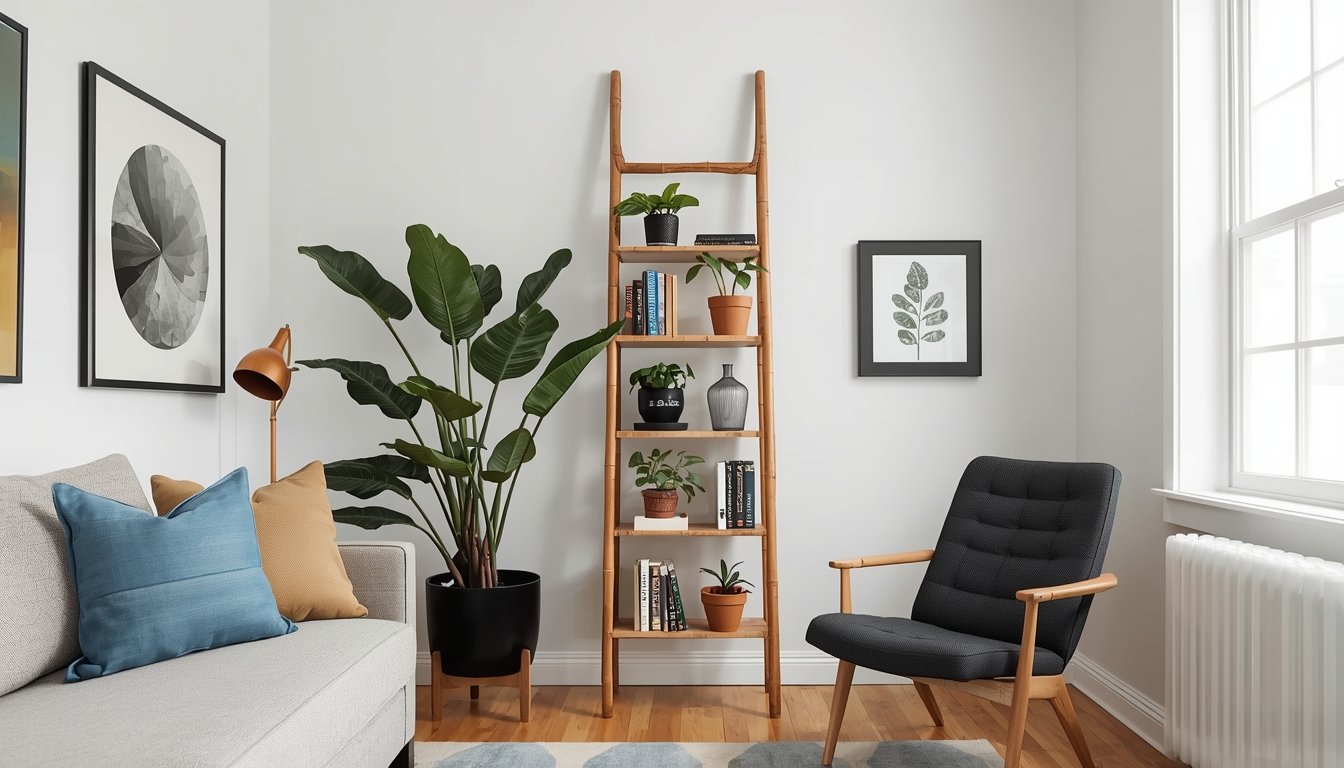
Example: Instead of a wide, squat bookcase, use a tall bamboo ladder shelf. It has a tiny footprint but gives you five tiers to display plants and books, making the room feel more “architectural.”
10. Rotate Your Layout Seasonally
Staying in the same layout for years can make a space feel stagnant. Moving your furniture is the only $0 way to make an apartment feel “new” again.
Example: Try swapping the positions of your sofa and TV console. It forces you to declutter and allows you to experience the natural light of the room from a completely different perspective.
11. Ditch the “Boob Light”
Standard apartment flush-mount ceiling fixtures are notoriously harsh. They cast a clinical, unflattering light that kills the “cozy” vibe instantly.
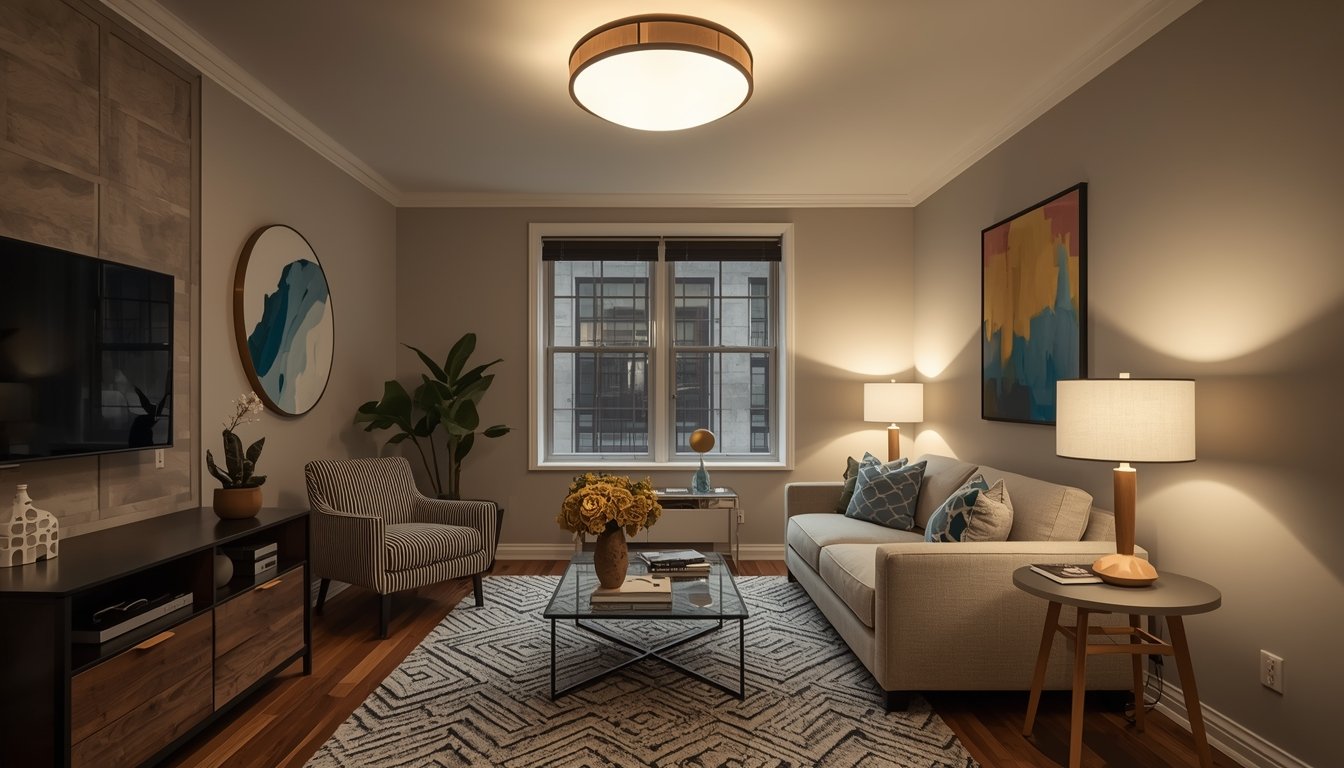
Example: Keep the overhead light off and rely on a mix of floor lamps and table lamps. This creates “layers” of light that make the room feel high-end and inviting during the evening.
12. Use 2700K “Warm White” Bulbs
The color of your light is just as important as the lamp itself. Cool blue-white bulbs make a home feel like an office or a hospital.
Example: Swap out all your bulbs for “Warm White” (2700K) LEDs. This amber-toned glow mimics the warmth of a sunset, making even the cheapest furniture look more expensive and cozy.
13. Add “Wireless Sconces” for High-End Vibes
Nothing says “custom home” like wall lighting, but most renters can’t hardwire anything. In 2026, battery-powered LED sconces are the go-to renter hack.
Example: Use adhesive strips to mount two sconces on the wall behind your sofa. It gives you the look of a boutique hotel without needing an electrician or losing your security deposit.
14. Backlight the TV with LED Strips
Standard TVs can look like big black holes when they’re turned off. Adding a soft glow behind the screen reduces eye strain and adds a “cinematic” feel to the room.
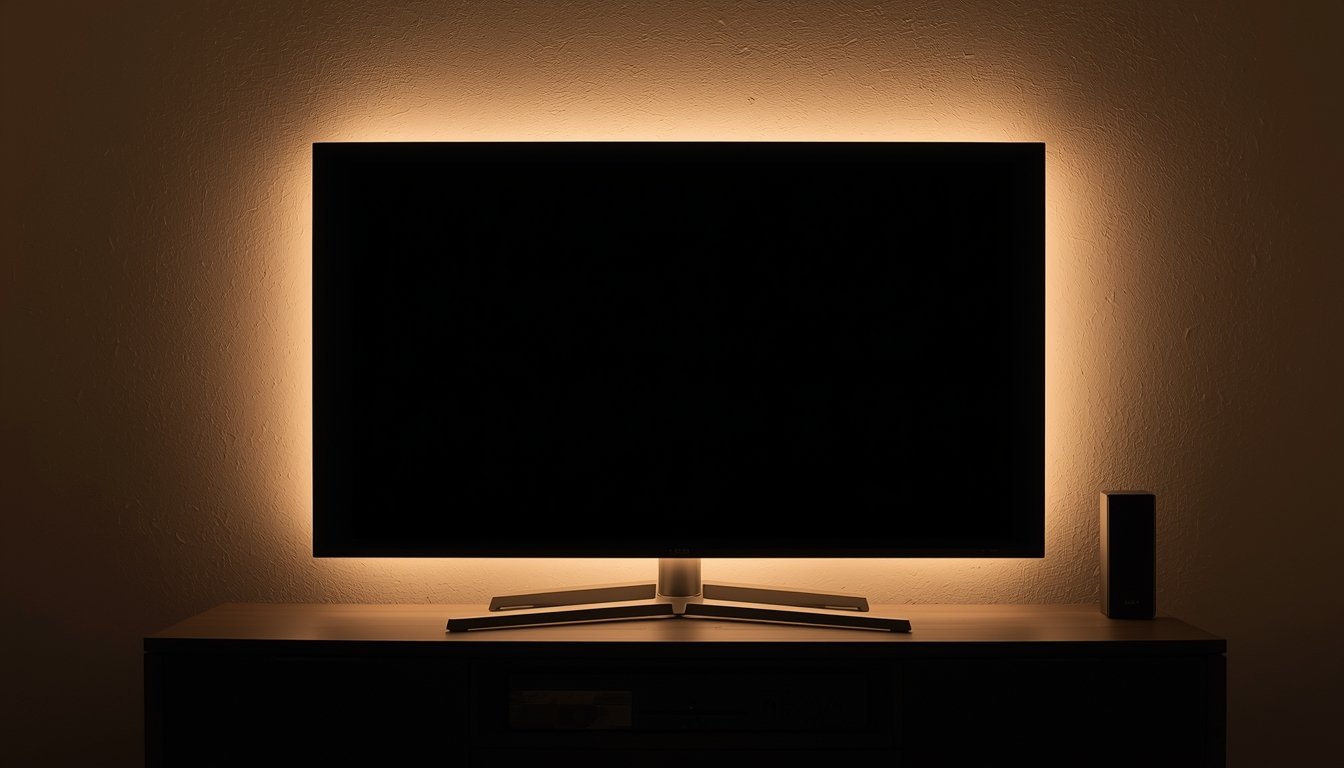
Example: Stick an inexpensive LED light strip to the back of your TV. Set it to a soft warm white to create a “halo” effect on the wall, which adds depth to your media center.
15. Use Floor Lanterns for Upward Shadows
Lighting doesn’t always have to come from above. Light coming from the floor creates a relaxed, lounge-like atmosphere.
Example: Place a large, safe LED lantern on the floor next to a tall plant. The light will cast dramatic, leafy shadows onto the ceiling, making the room feel like a lush sanctuary at night.
16. Incorporate “Smart” Bulbs for Mood Zoning
Your living room might be your office at 2:00 PM and your cinema at 8:00 PM. Your lighting should be able to transition with you.
Example: Use smart bulbs that you can control with your phone. Set them to “Bright White” for focus during work hours, then dim them to a “Soft Amber” when it’s time to unplug.
17. Use “Puck Lights” Under Shelves
Dark bookshelves can look cluttered and heavy. Highlighting the objects on the shelves makes them look like a curated museum display.
Example: Stick battery-operated “puck lights” to the underside of your floating shelves. It illuminates your favorite books and decor, adding a sophisticated “glow” to your walls.
18. Try a Statement Pendant Plug-In
If you have a boring ceiling, a “plug-in” pendant light can act as a focal point. It draws the eye to the center of the room and defines the seating area.
Example: Hang a large paper or wicker lantern from a ceiling hook and run the cord down to a corner outlet. It’s a massive visual upgrade that costs very little but feels very custom.
19. Candlelight for Natural Movement
The flicker of a real flame (or a high-quality LED equivalent) adds a living element to the room that static bulbs can’t replicate.
Example: Cluster three different-sized pillar candles on a tray on your coffee table. The movement of the light makes the room feel “active” and incredibly peaceful.
20. Reflect Light with Small Mirror Trays
Mirrors aren’t just for walls. Using reflective surfaces on your tables can bounce light into the darker corners of the room.
Example: Place a mirrored tray on your ottoman or side table. It catches the light from your lamps and candles, adding a “glimmer” that makes the space feel more polished.
Common Mistakes When Decorating a Small Apartment Living Room
Even with the best intentions, it’s easy to make mistakes. Avoid these:
- Buying Everything at Once: Your home should grow with you. If you buy everything in one day at one store, it will look like a showroom, not a home.
- Ignoring the Scale: Don’t put a massive sectional sofa in a tiny room. Measure your space twice before buying once!
- Forgetting “The Why”: Don’t buy something just because it’s on sale. Buy it because it serves a purpose or brings you joy.
Final Thoughts
I hope you got many ideas about Budget Apartment Living Room. Not only that, you also got to see practical pictures that will help you a lot in decorating your home.
The key is to focus on creativity, simplicity, and practicality. Small changes like rearranging furniture, adding a mirror, or using decorative pillows can instantly refresh the look of your living room. By experimenting with these ideas and choosing what fits your
FAQs
How can I decorate my apartment living room on a budget?
Ans: You can decorate your apartment living room on a budget by using affordable decor, rearranging furniture, adding throw pillows, and using wall art or mirrors. These budget apartment living room ideas help create a stylish space without spending much money.
What are the best budget apartment living room ideas for small spaces?
Ans: The best ideas include using multifunctional furniture, adding large rugs to define zones, choosing furniture with legs, and keeping the layout simple. These budget apartment living room ideas make small spaces feel bigger and more organized.
How do I make my apartment living room look expensive on a budget?
Ans: Use neutral colors, add layered lighting, decorate with plants, and keep the space clutter-free. Small styling tricks like mirrors and textured cushions can make your budget apartment living room ideas look more luxurious.
What colors work best for a budget apartment living room?
Ans: Light and neutral colors like white, beige, soft gray, and light pastels work best. These colors reflect light and help budget apartment living room ideas feel brighter and more spacious.
How can lighting improve a budget apartment living room?
Ans: Good lighting makes a living room feel warm and inviting. Using floor lamps, table lamps, and warm LED bulbs are simple budget apartment living room ideas that improve the atmosphere without costing much.